Hemscheidt VSE

HPS Advanced: integrated suspension, damping and ride-height control in one system

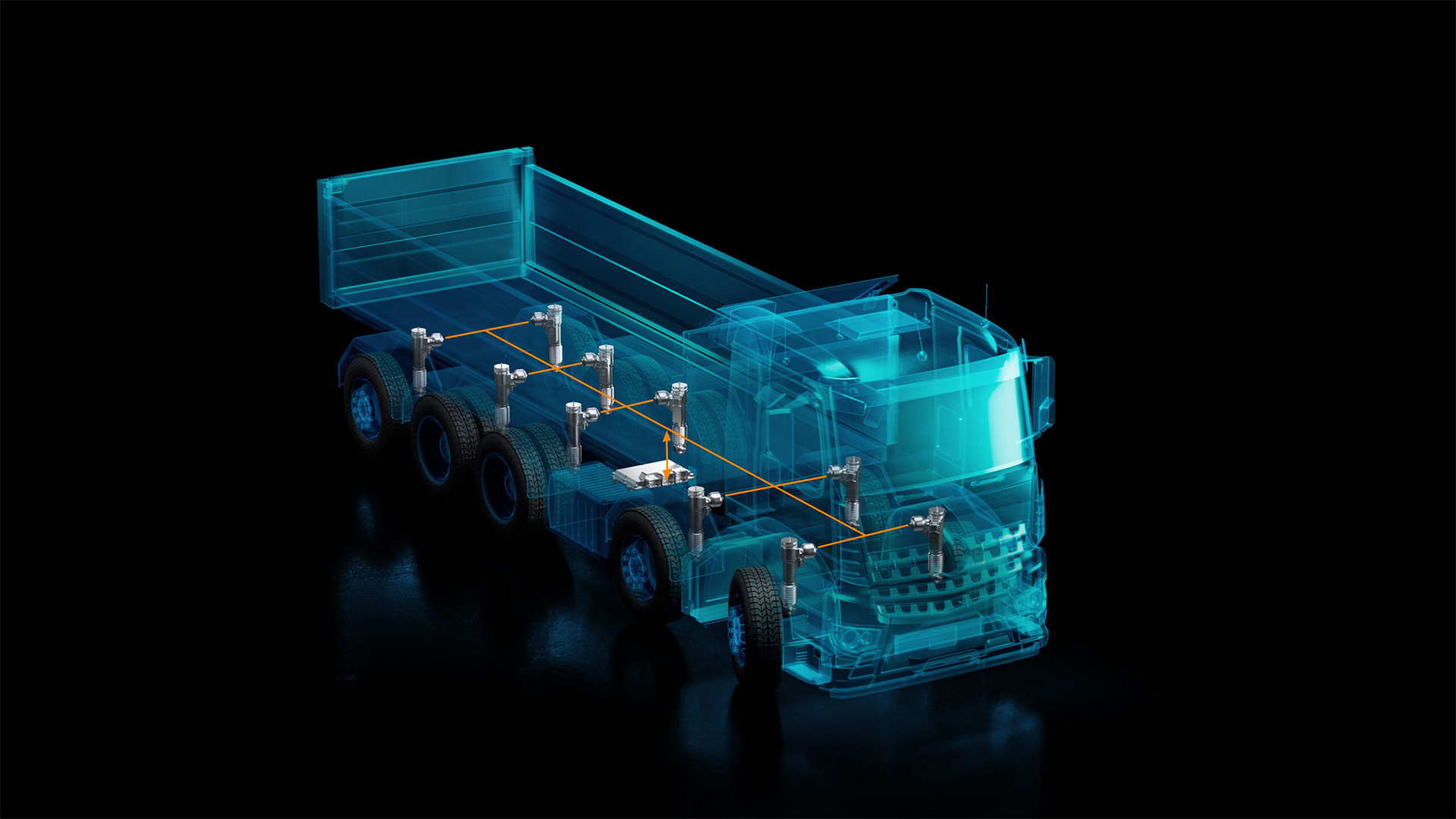
With HPS Advanced, Hemscheidt and VSE are developing a fully integrated suspension and damping system for the next generation of commercial vehicles. Sensors, motor-pump unit and active ride-height control are brought together in one compact unit for applications where space, weight and energy efficiency are critical design parameters.

The system offers greater design freedom, fewer maintenance points and stable performance under varying loads and driving conditions. HPS Advanced is designed for series production and is being developed in accordance with ISO 26262 (functional safety) and ISO 21434 (cybersecurity).

HPS Advanced

Hemscheidt VSE

Everything integrated into one system
Alles geïntegreerd in één systeem

Hemscheidt VSE

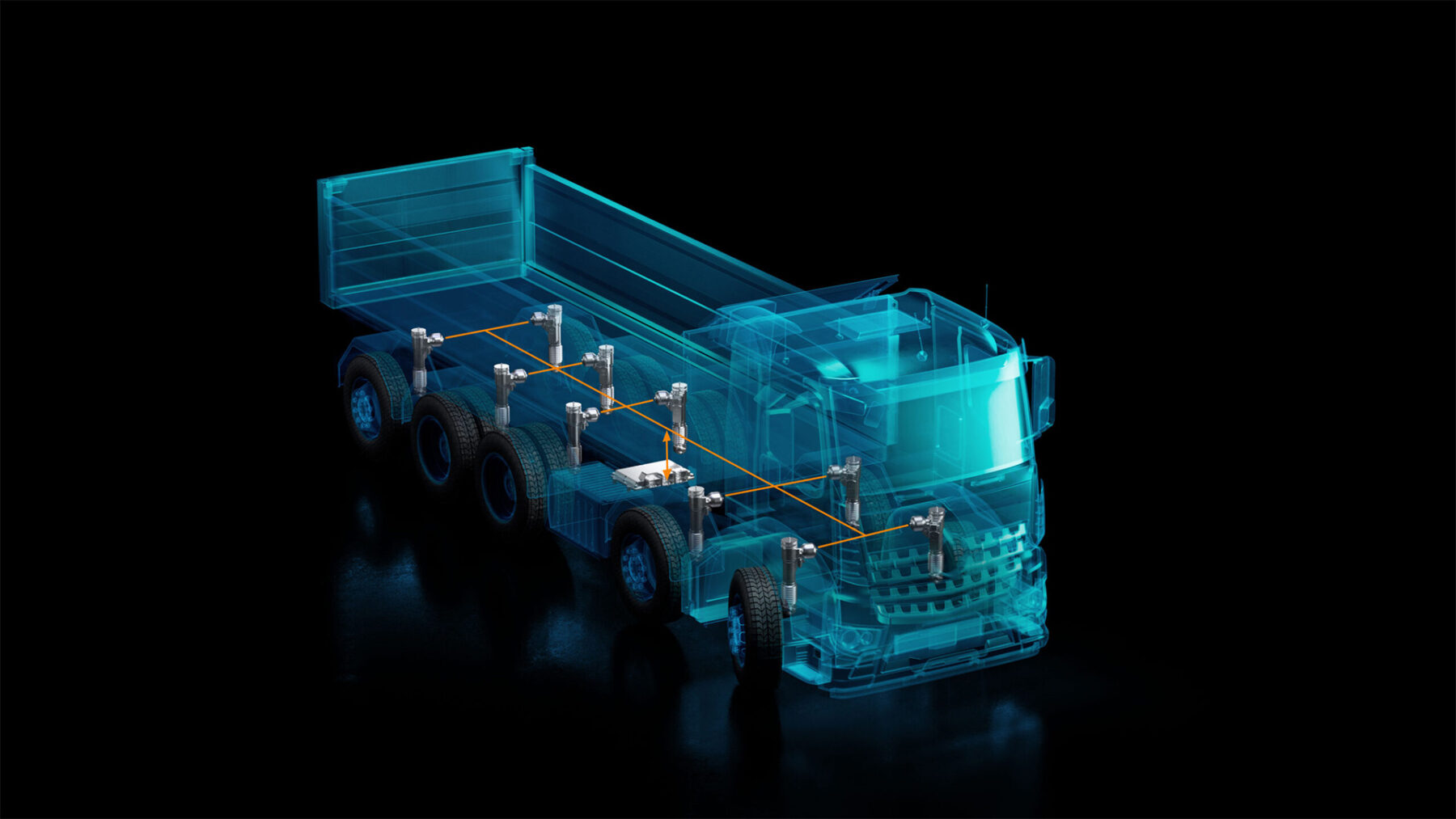
Everything integrated into one system

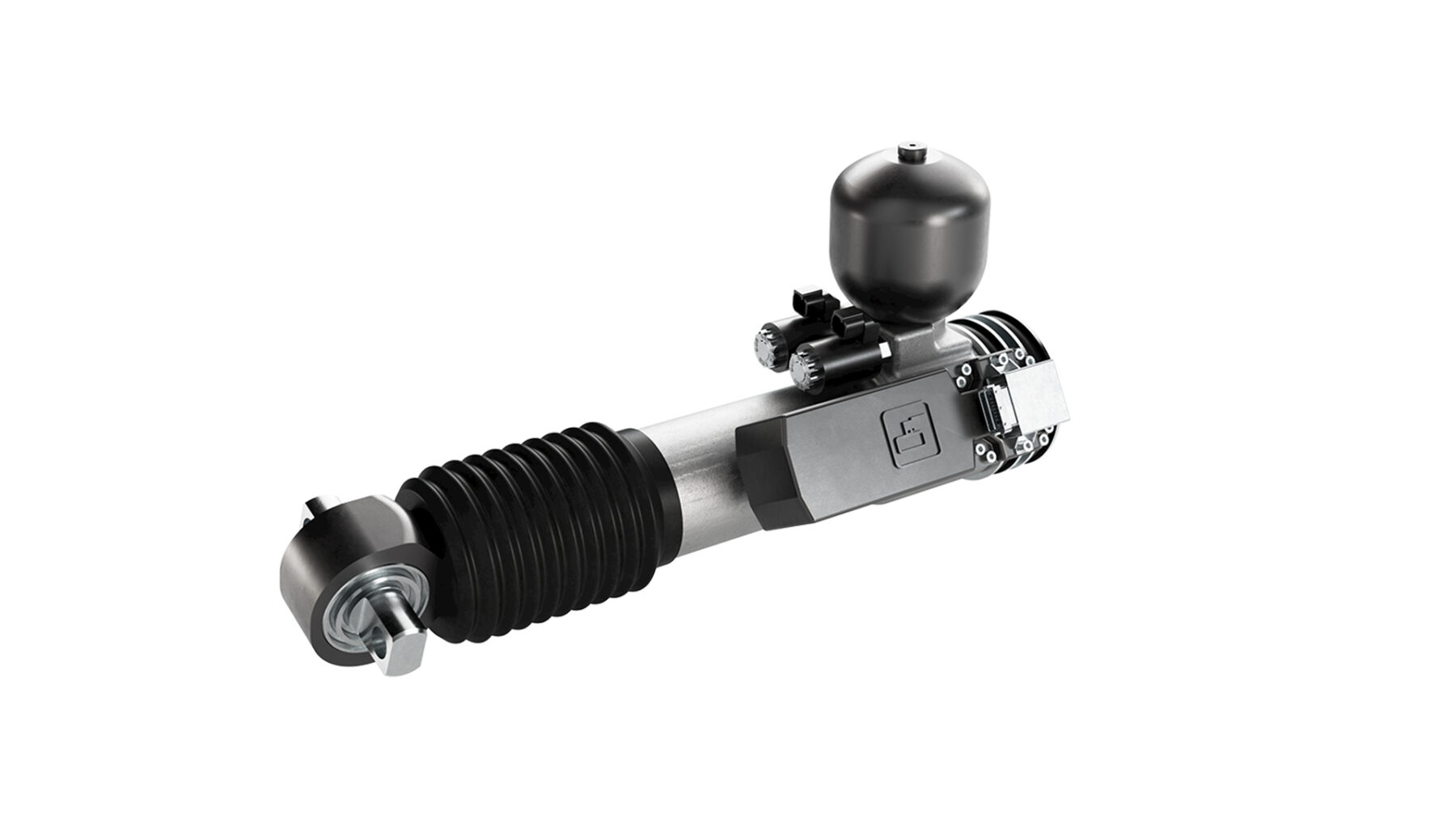
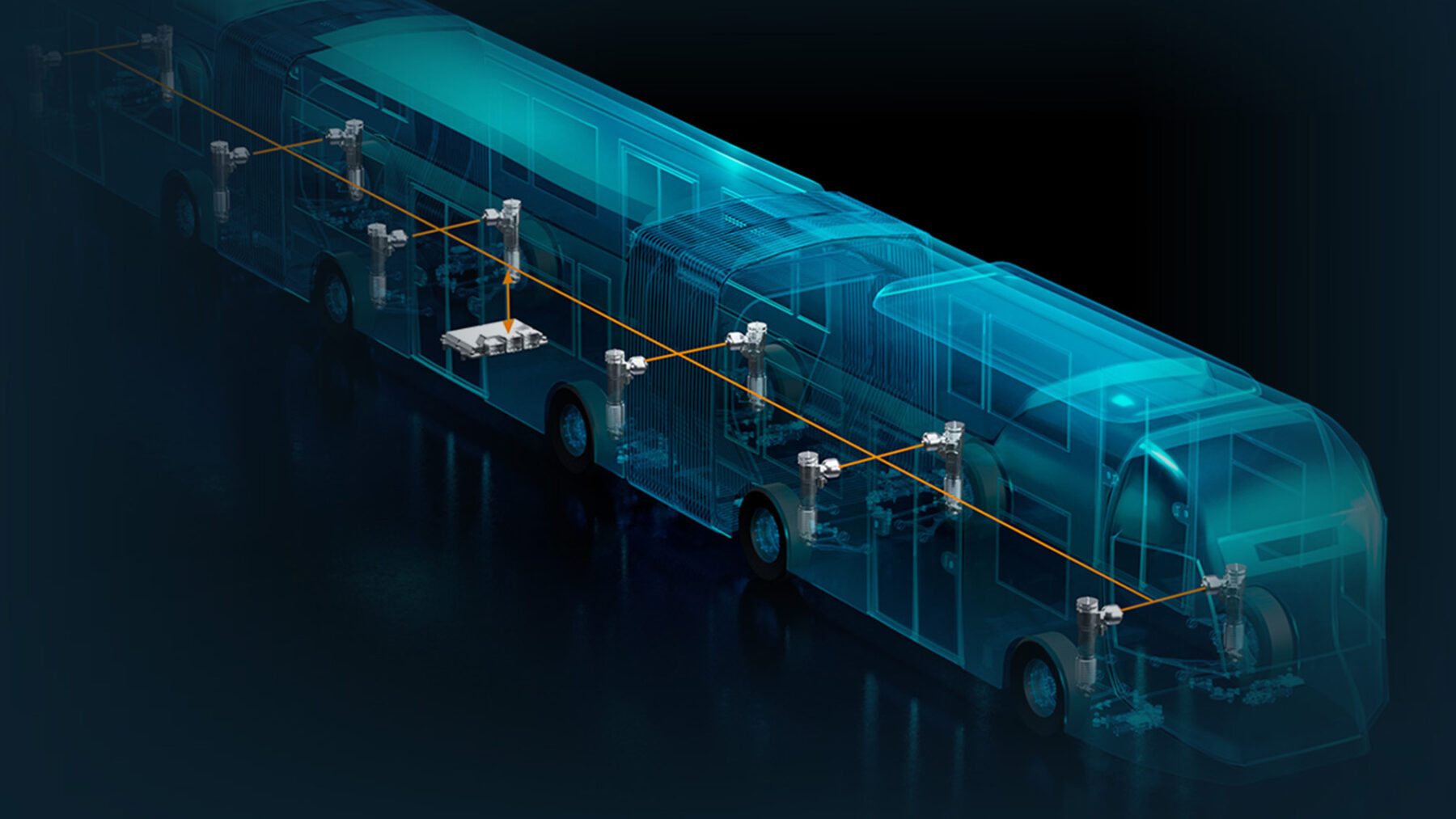
HPS Advanced combines sensors, motor-pump unit and suspension geometry in one compact unit. Functions that are mounted as separate components in conventional systems are fully integrated here.

The system fits vehicles where installation space is limited and at the same time reduces the number of maintenance points.
Actieve hoogteregeling
Geïntegreerde sensoren
Motor-pompunit

Hemscheidt VSE

Three integrated core elements

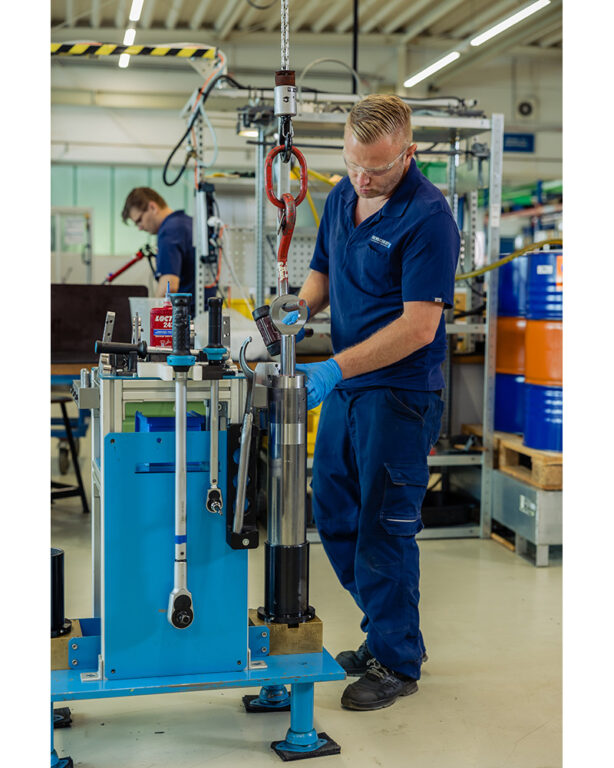
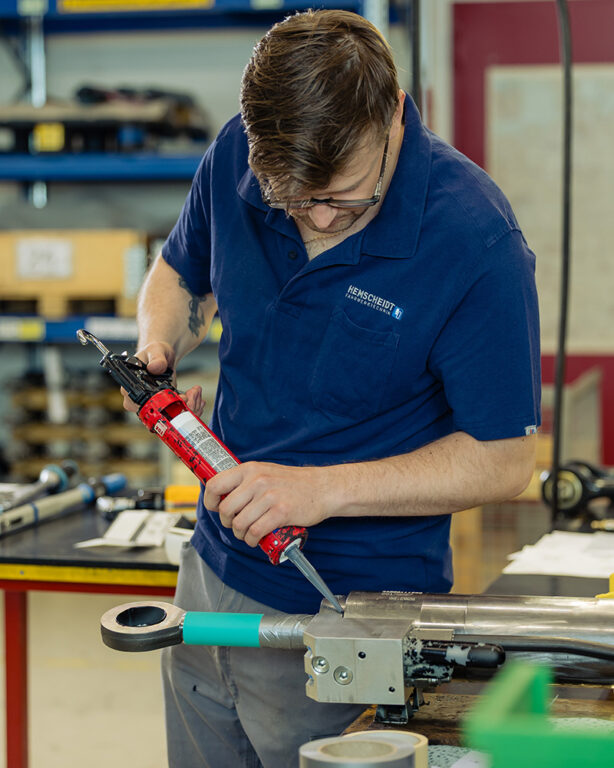
HPS Advanced combines multiple functions that are implemented as separate components in conventional systems. The main system elements are:

Integrated sensors

Continuous monitoring of ride height, system pressure and vehicle dynamics. Fully built in, in real time.

Motor-pump unit

Drive, control and hydraulics are combined in one compact unit. Fewer parts, fewer connections, fewer maintenance points.

Active ride-height control

Large stroke length for ride-height correction under varying loads and terrain conditions. Stable under high loads, comfortable on unpaved surfaces.

Benefits for vehicle manufacturers
Maximale ruimtebesparing

Maximum space saving

The integrated design makes HPS Advanced the most compact system in its class. More than 30% more compact than comparable air suspension systems. Ideal for the tight chassis packaging of electric trucks and buses.

Laag energiegebruik

Low energy consumption

The system is designed to minimise energy consumption during lifting and levelling. In EVs, this translates directly into greater range.

Geschikt voor grote serieproducties

Suitable for large-scale series production

HPS Advanced has not been developed as a prototype, but as a production system. Standardisation, validation and scalability are part of the design programme. Aligned with the requirements of major OEMs.

Hemscheidt VSE

Key specifications

Kernspecificaties

Hemscheidt VSE

Key specifications

The main system specifications are:

>30% space saving

Compared with conventional air suspension systems, based on comparable load capacity and stroke length.

ISO 26262 & ISO 21434

Designed in accordance with the requirements for functional safety (ISO 26262) and cybersecurity (ISO 21434) for business-critical vehicle systems.

Series production planned from 2030

The system is under development. Early partner programmes are available for OEMs wishing to validate jointly.

Vehicle applications
Truck

Truck

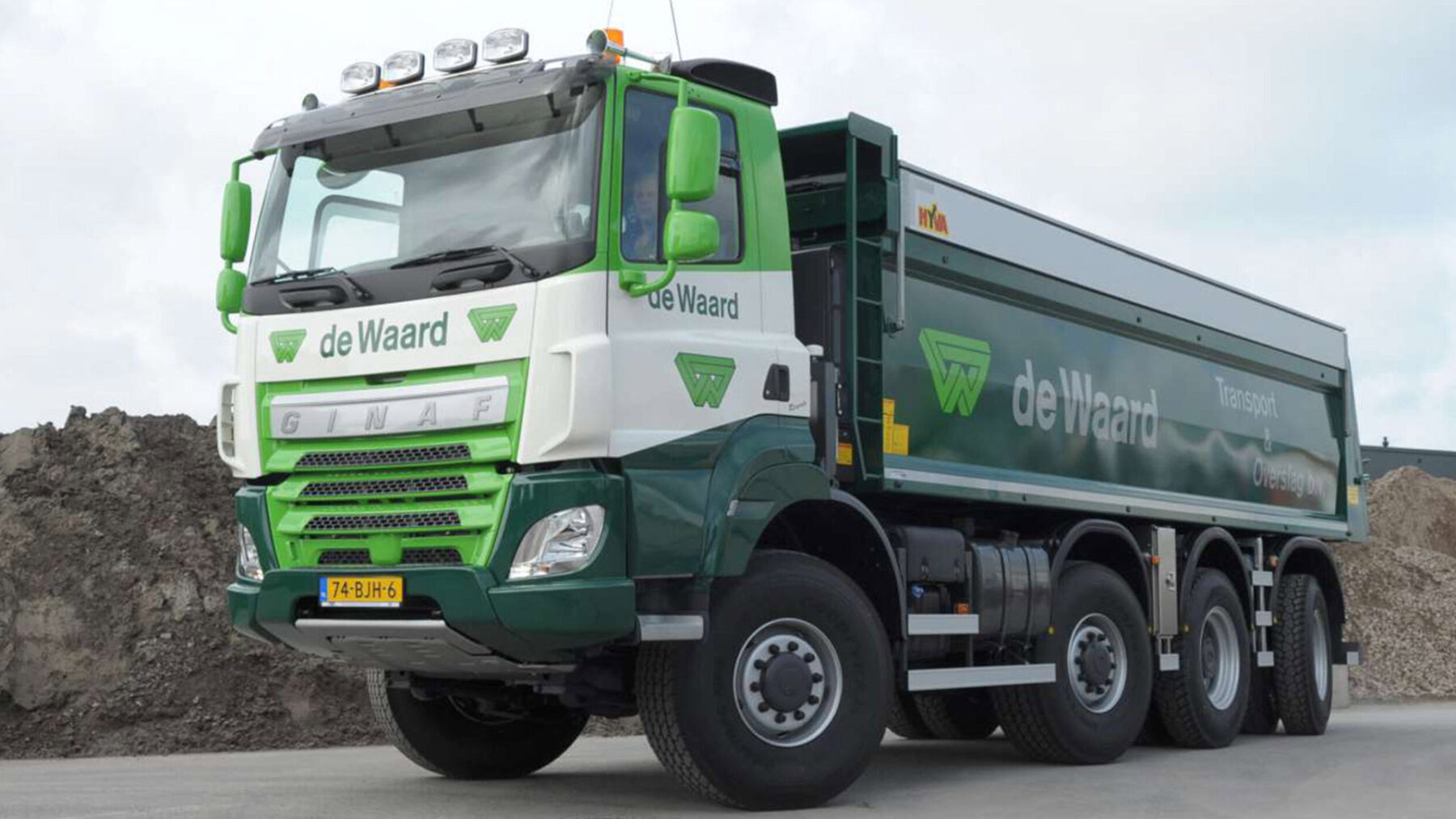
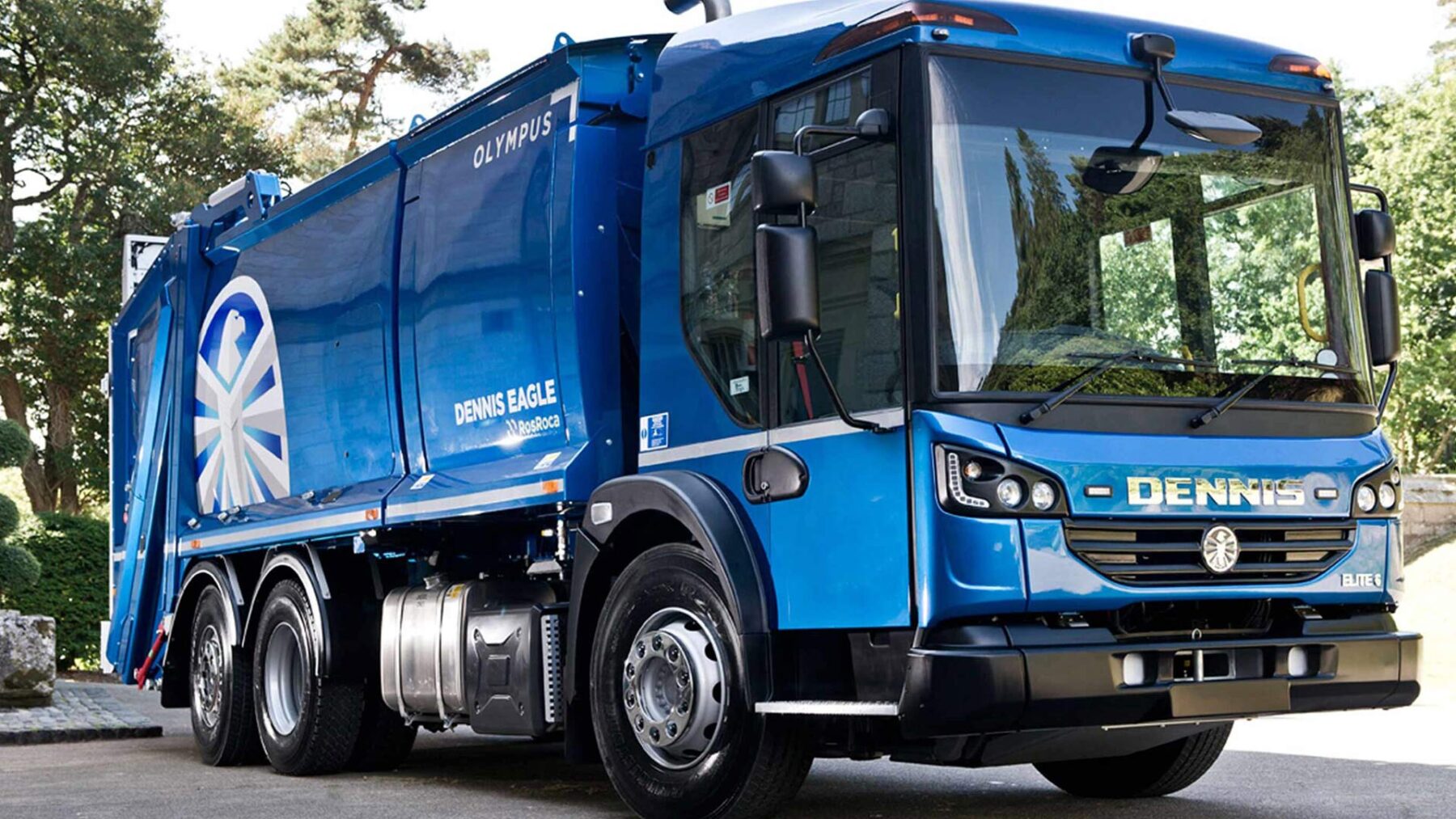
Active stabilisation under full or heavy loads, also on varying road surfaces.

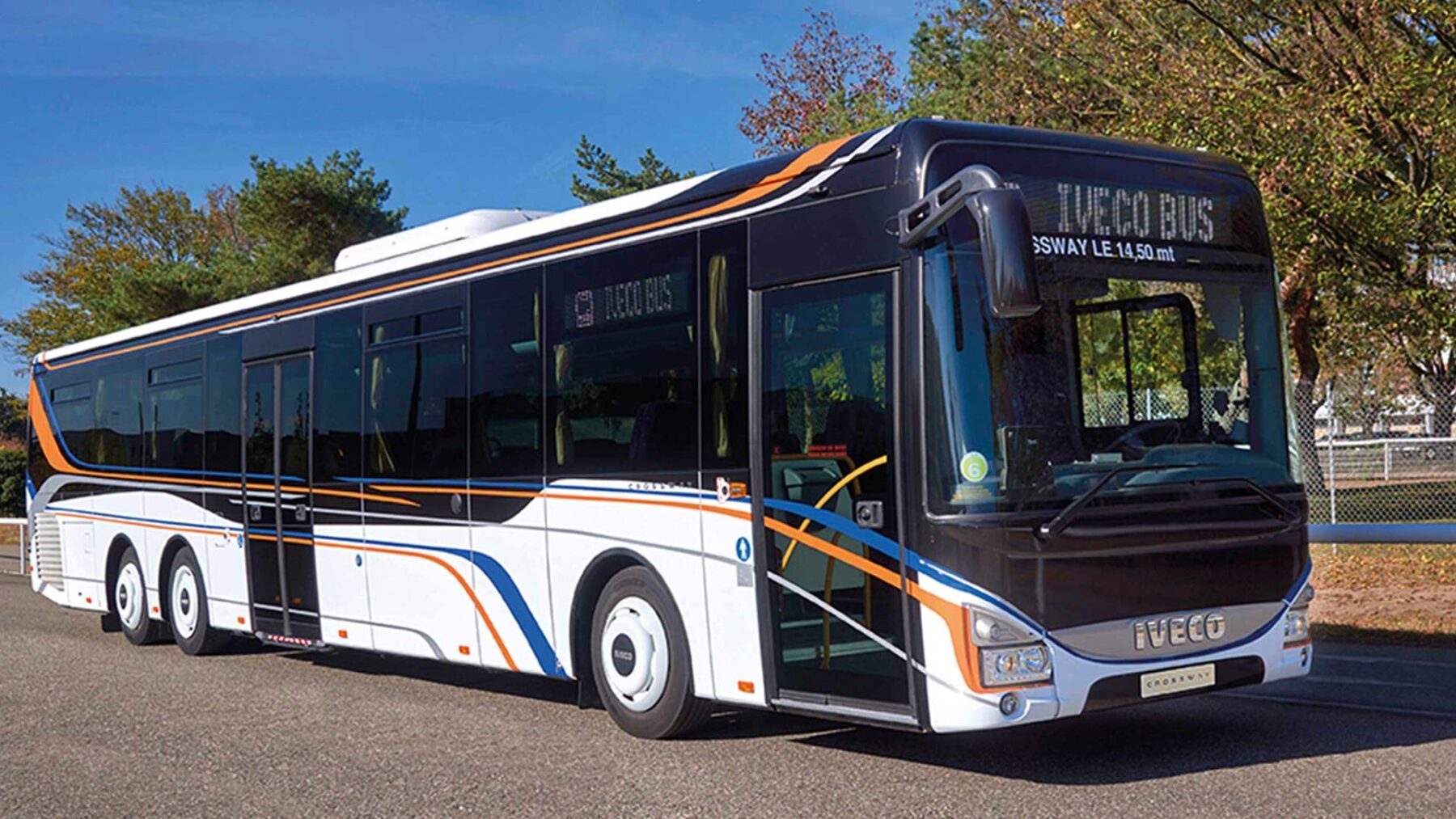
Bus

Bus

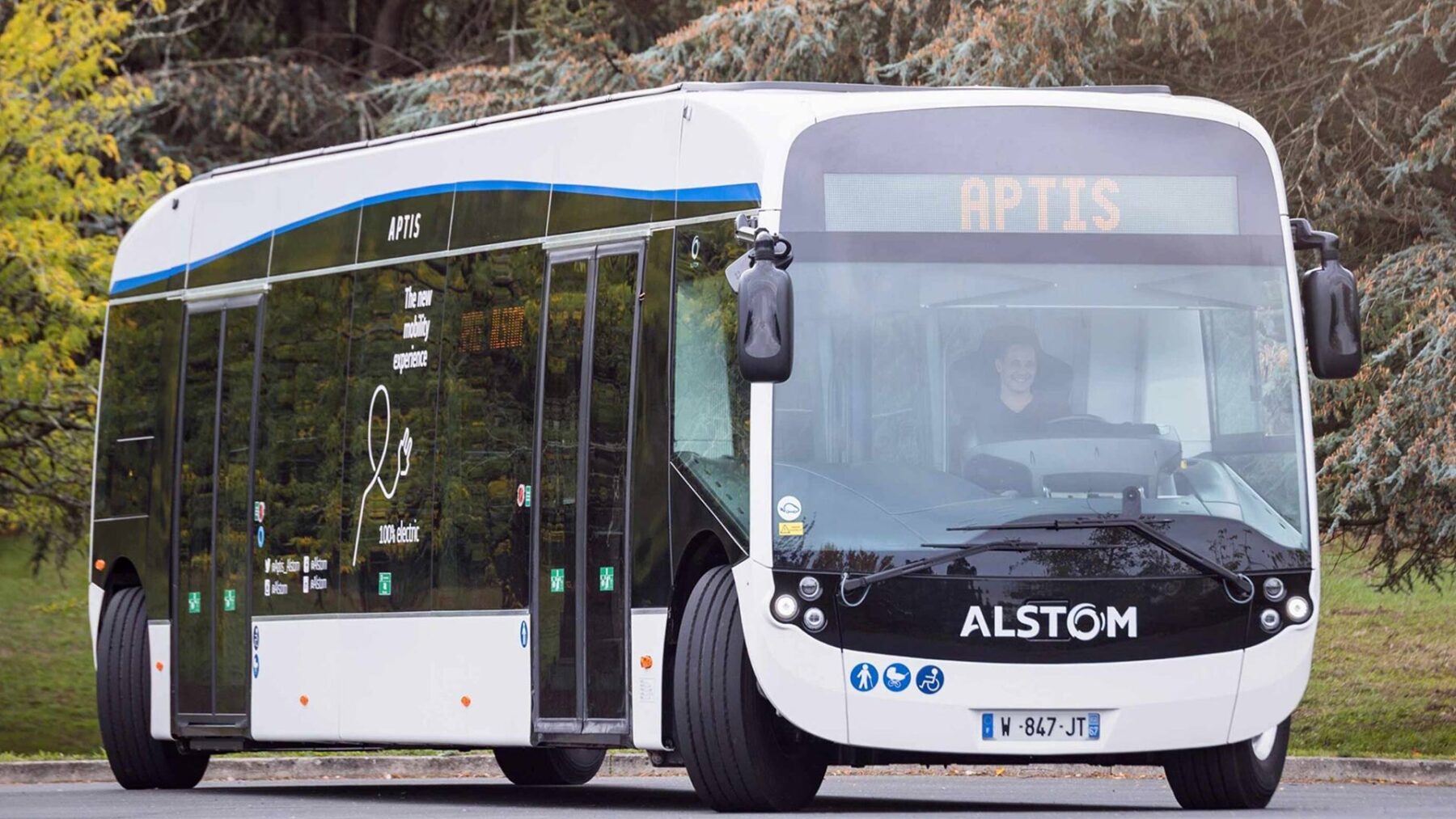
Active level control for comfortable boarding and alighting. Stable handling for passengers under variable occupancy.

LCV

Light Commercial Vehicles (LCV)

Compact system with low energy consumption. Suitable for intensive use in urban environments with electric drive.

Hulp- en bergingsvoertuigen

Emergency & Recovery

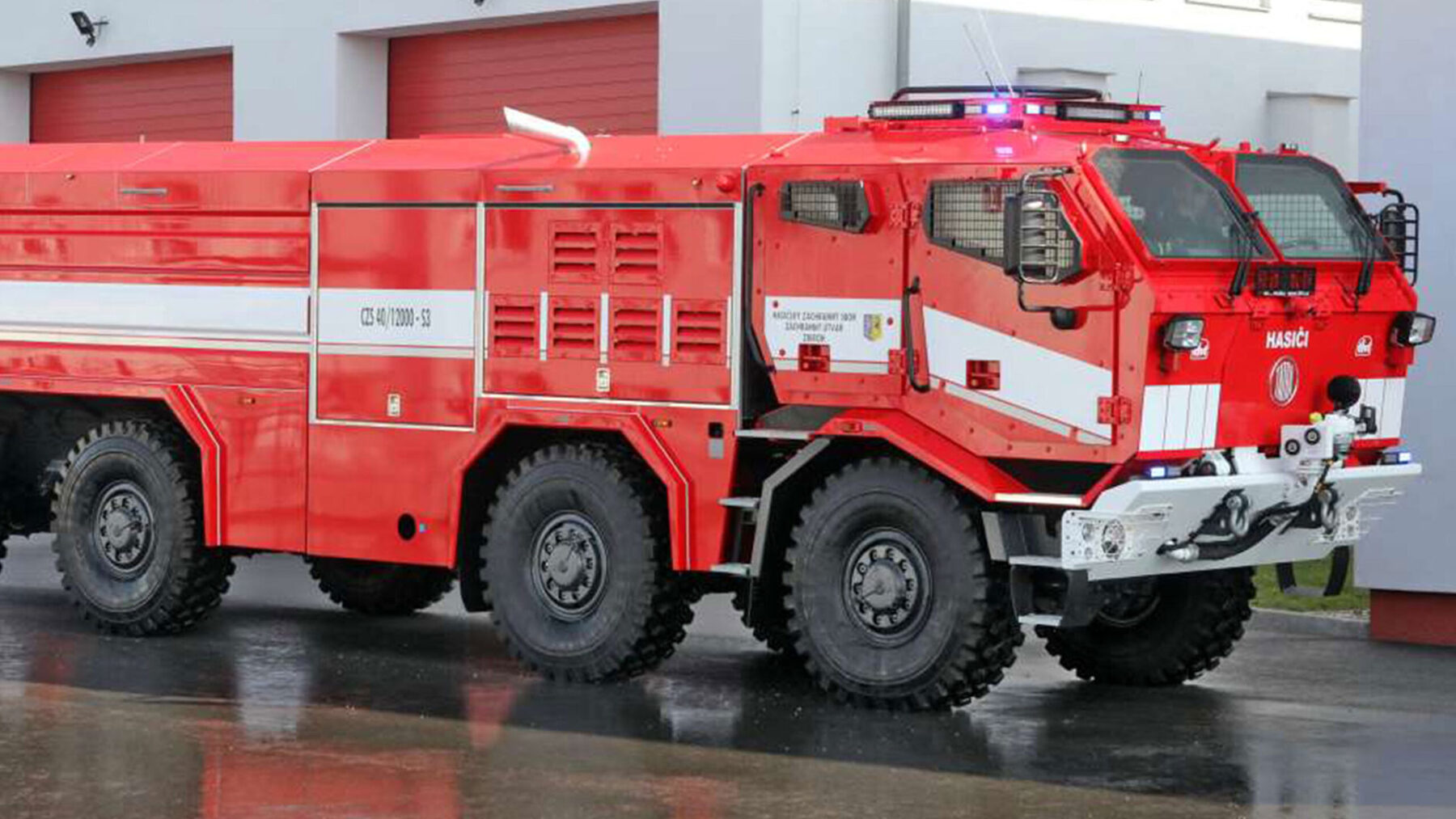
Stable handling and reliable ride-height control under time-critical and unpredictable conditions.

Off-road

Off-road

High load capacity, active load distribution and controlled height management for special transport and demanding terrain.

Ontwikkelt u de volgende generatie voertuigen

Hemscheidt VSE

Are you developing the next generation of vehicles?

HPS Advanced is scheduled to enter series production from 2030. OEMs and vehicle manufacturers can already take part in development and validation programmes to align the system with their vehicle platform and performance requirements.