Hydropneumatic suspension

Hydropneumatic suspension combines suspension, levelling and damping in a single system. It automatically maintains the correct ride height when loading or unloading, or when stopping at bus stops. Unlike air suspension, which must continuously generate compressed air to adjust the height, hydropneumatic suspension uses hydraulics for this purpose. This makes it considerably more energy efficient for the same lifting or levelling movement.

Hydropneumatische vering

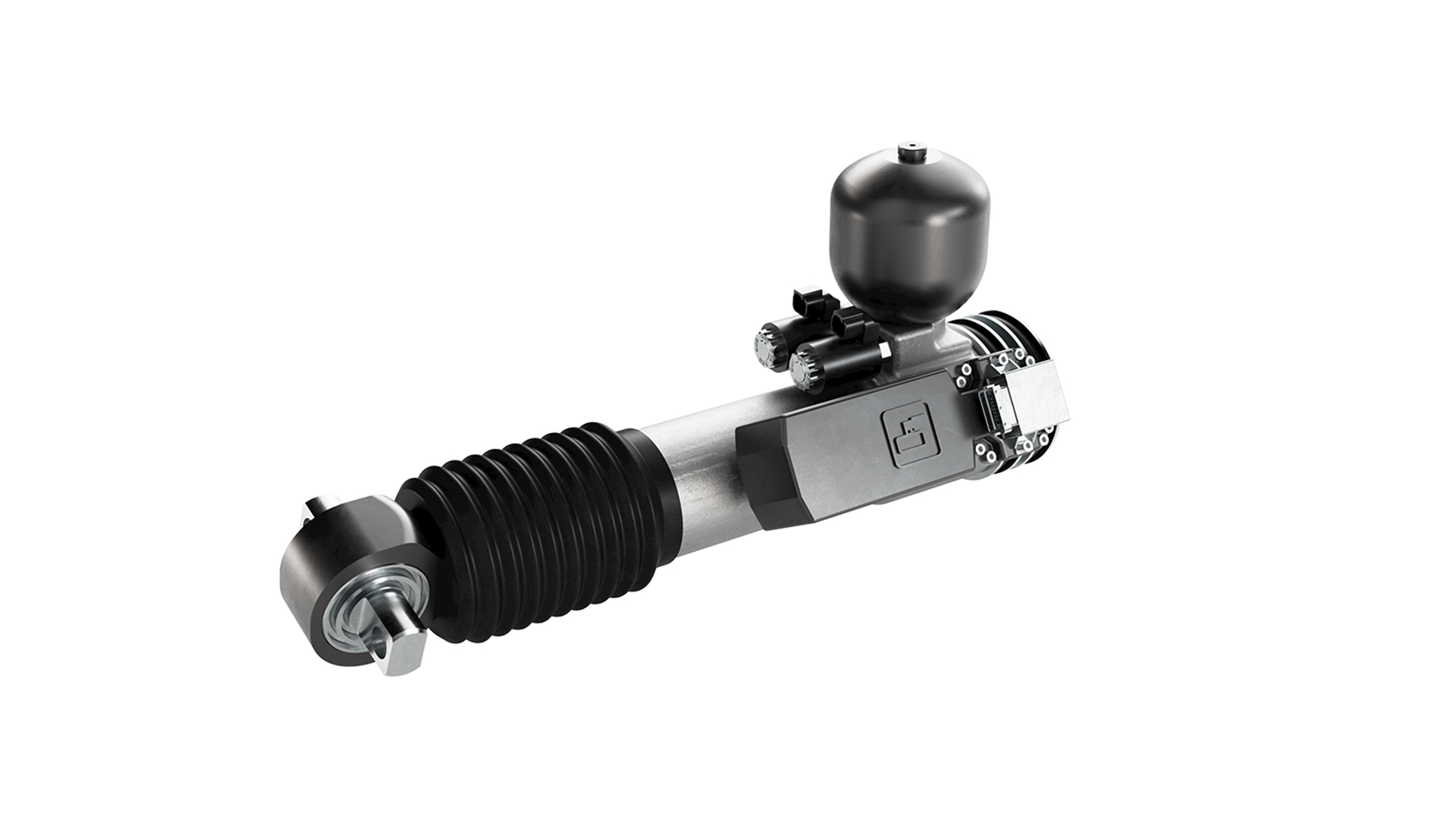
HPS Advanced

A fully electronically controlled suspension system with no hydraulic lines. It is the most compact suspension system in its class.

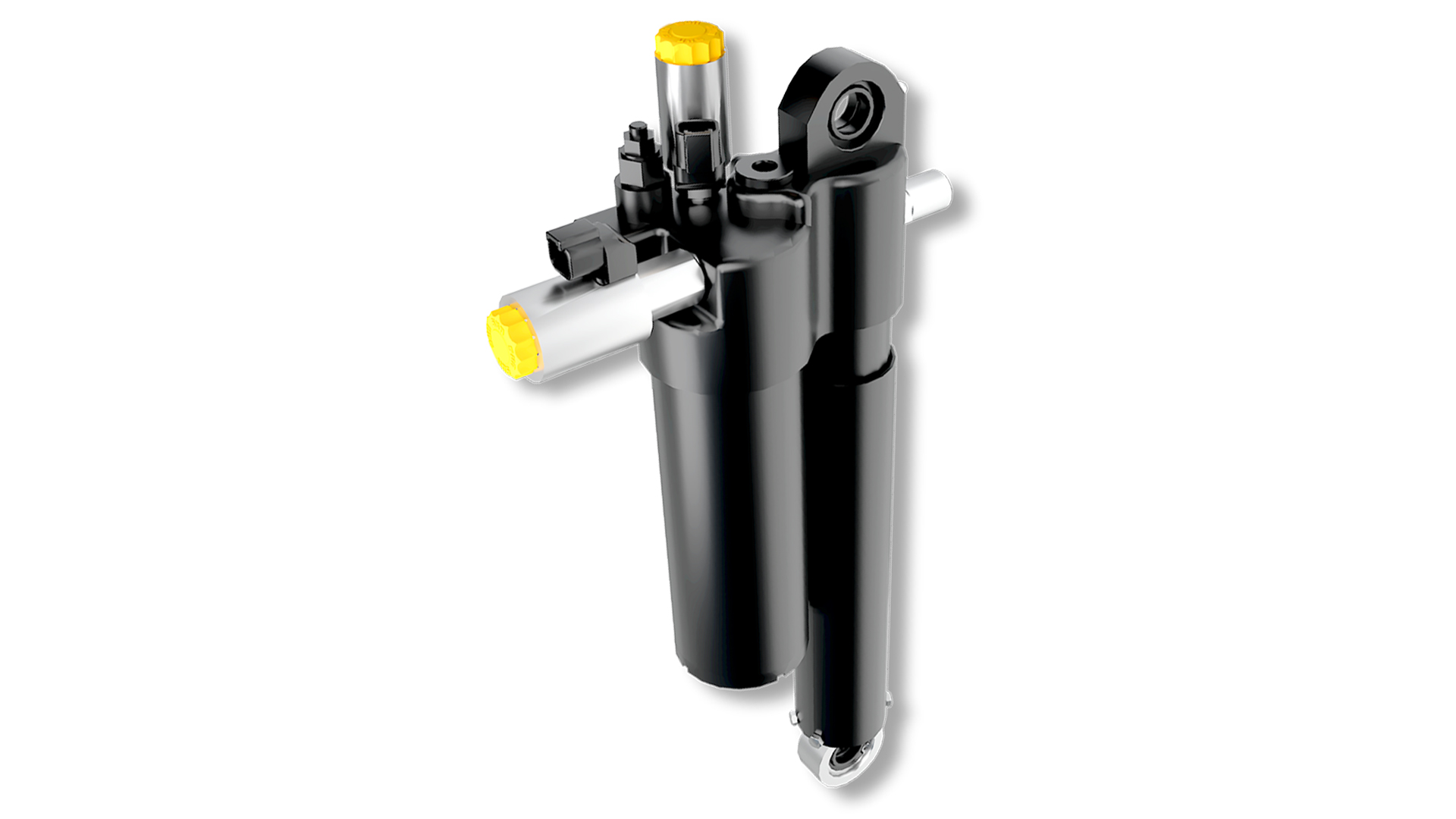
HPS

Hydropneumatic suspension system for commercial vehicles, ranging from light commercial vehicles to heavy haulage.

HPS Advanced banner
HPS systeem
Less downtime, greater availability
Compact technology, lower fuel consumption
Proven technology with targeted customisation

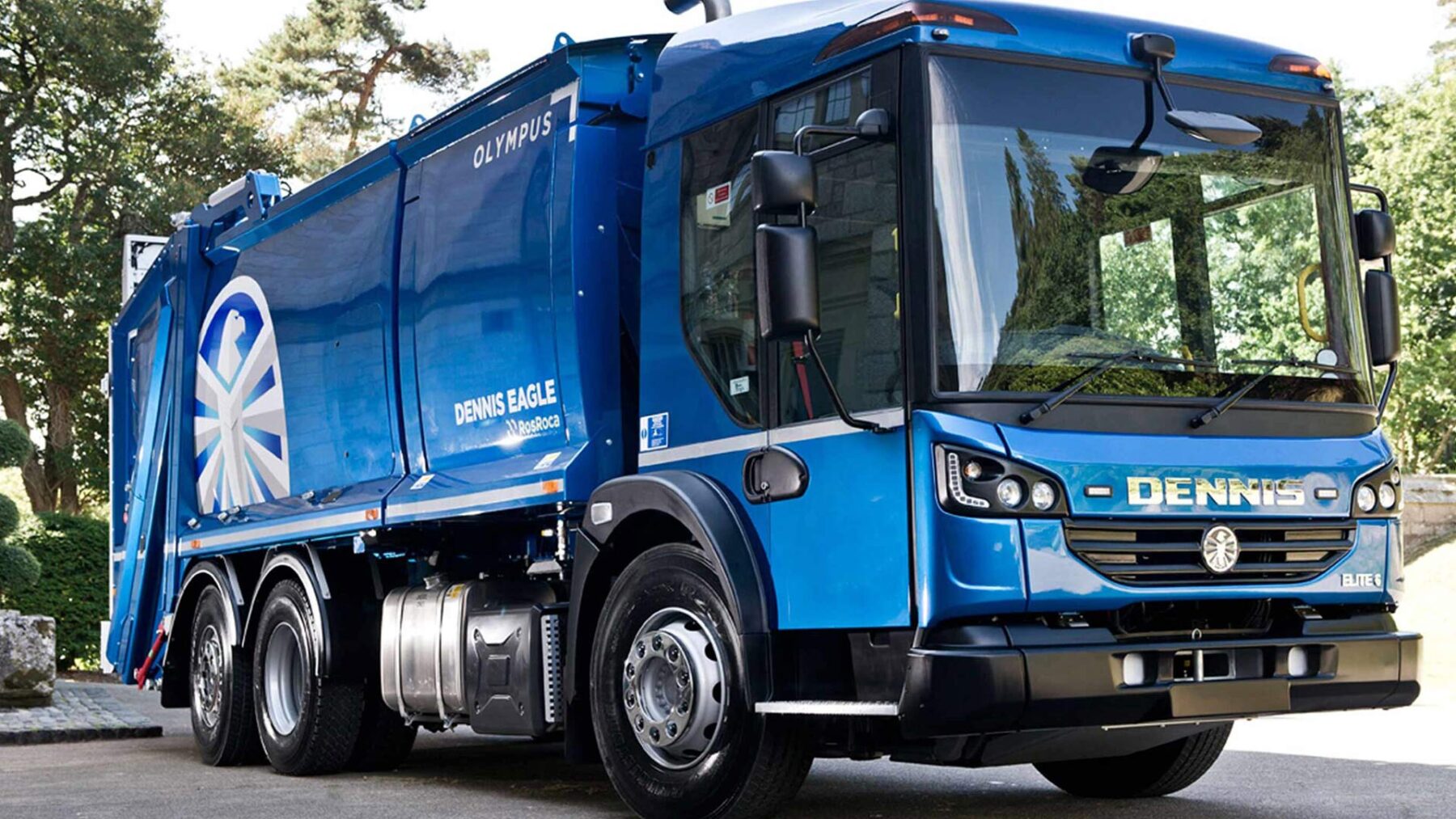
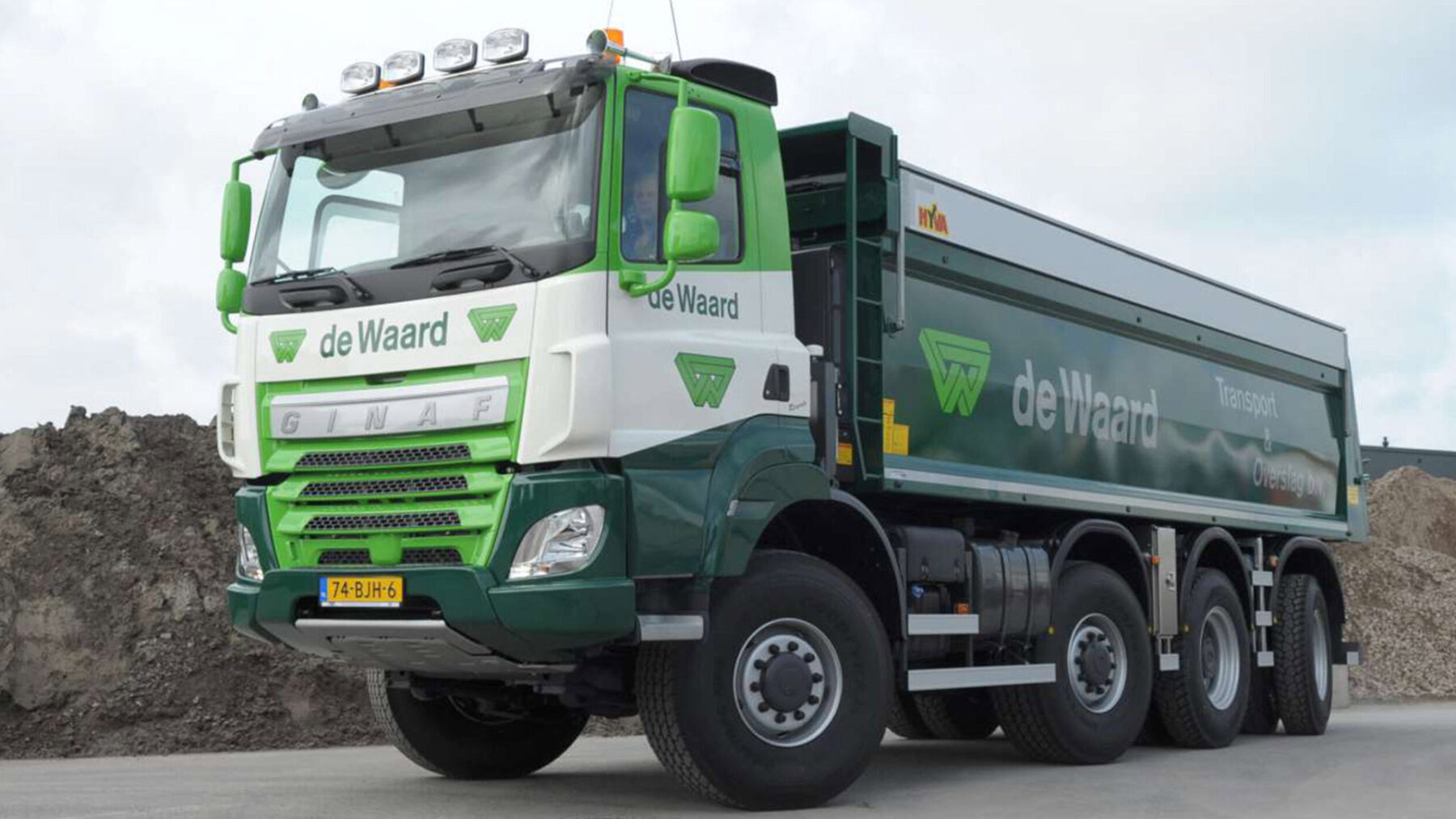
Truck

Stable ride height and high ride comfort under varying loads

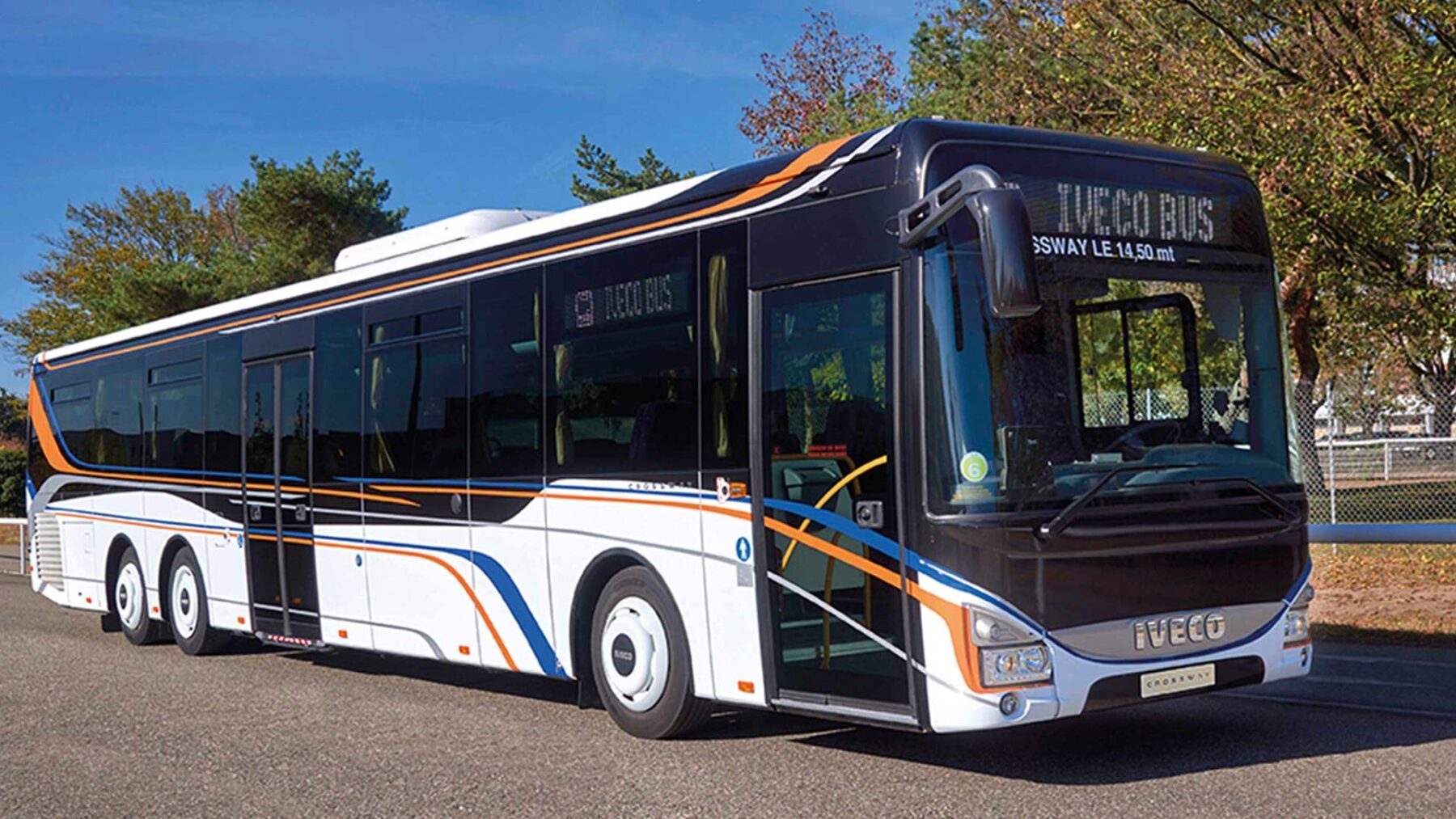
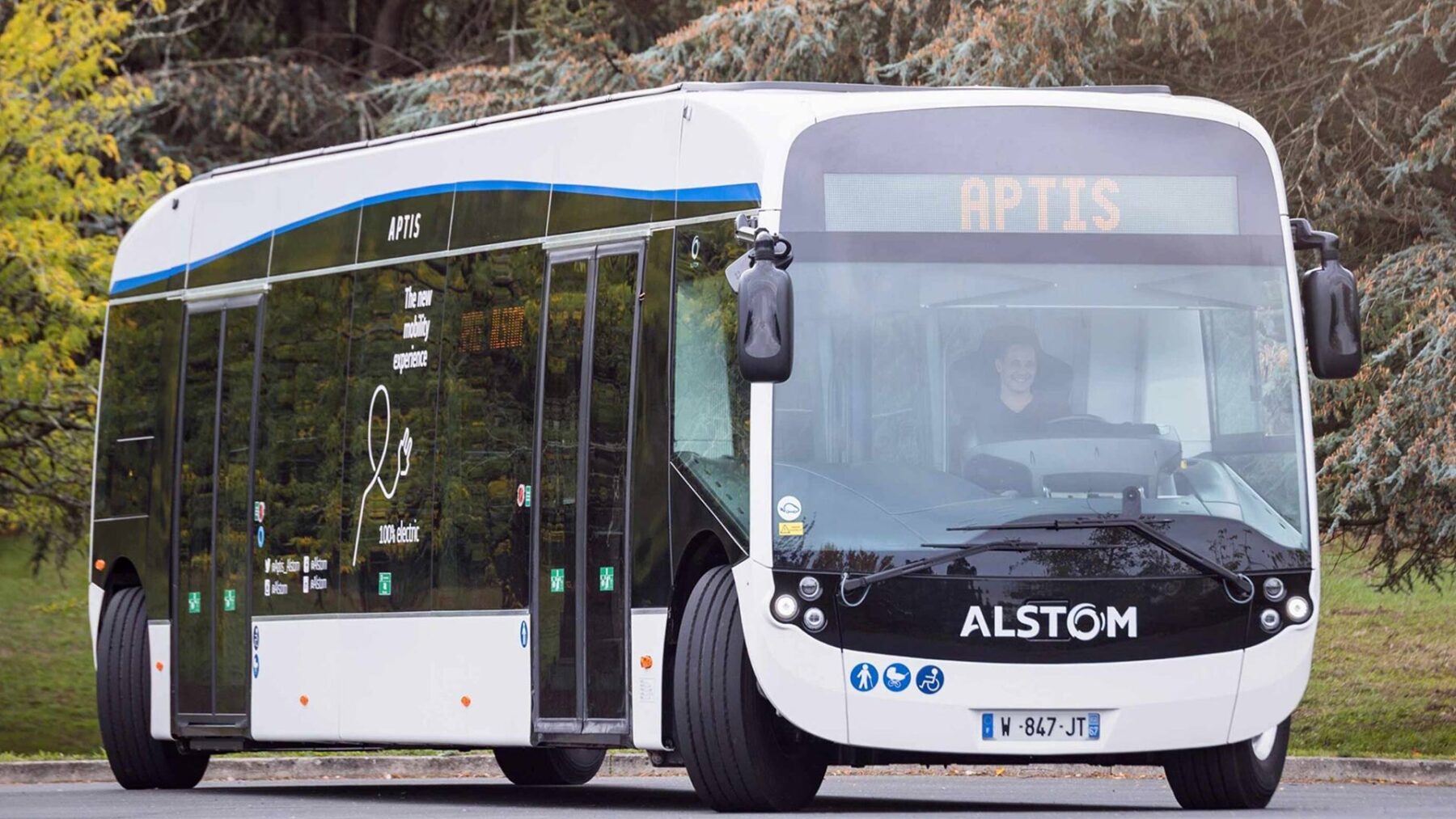
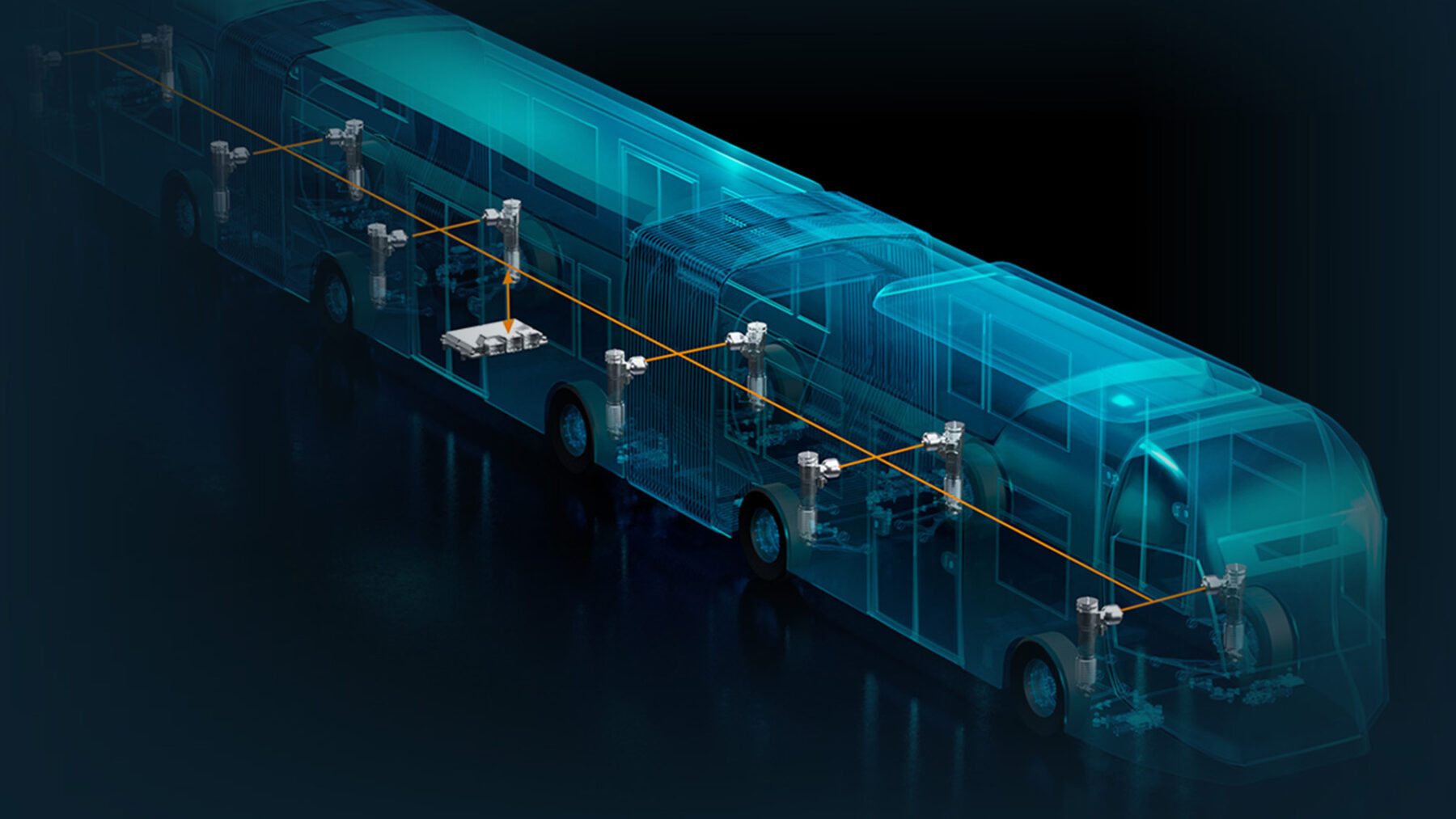
Bus

Fast levelling at stops and comfortable passenger transport

Off-Road

Maximum stability on unpaved terrain

LCV

Compact integration without loss of load space

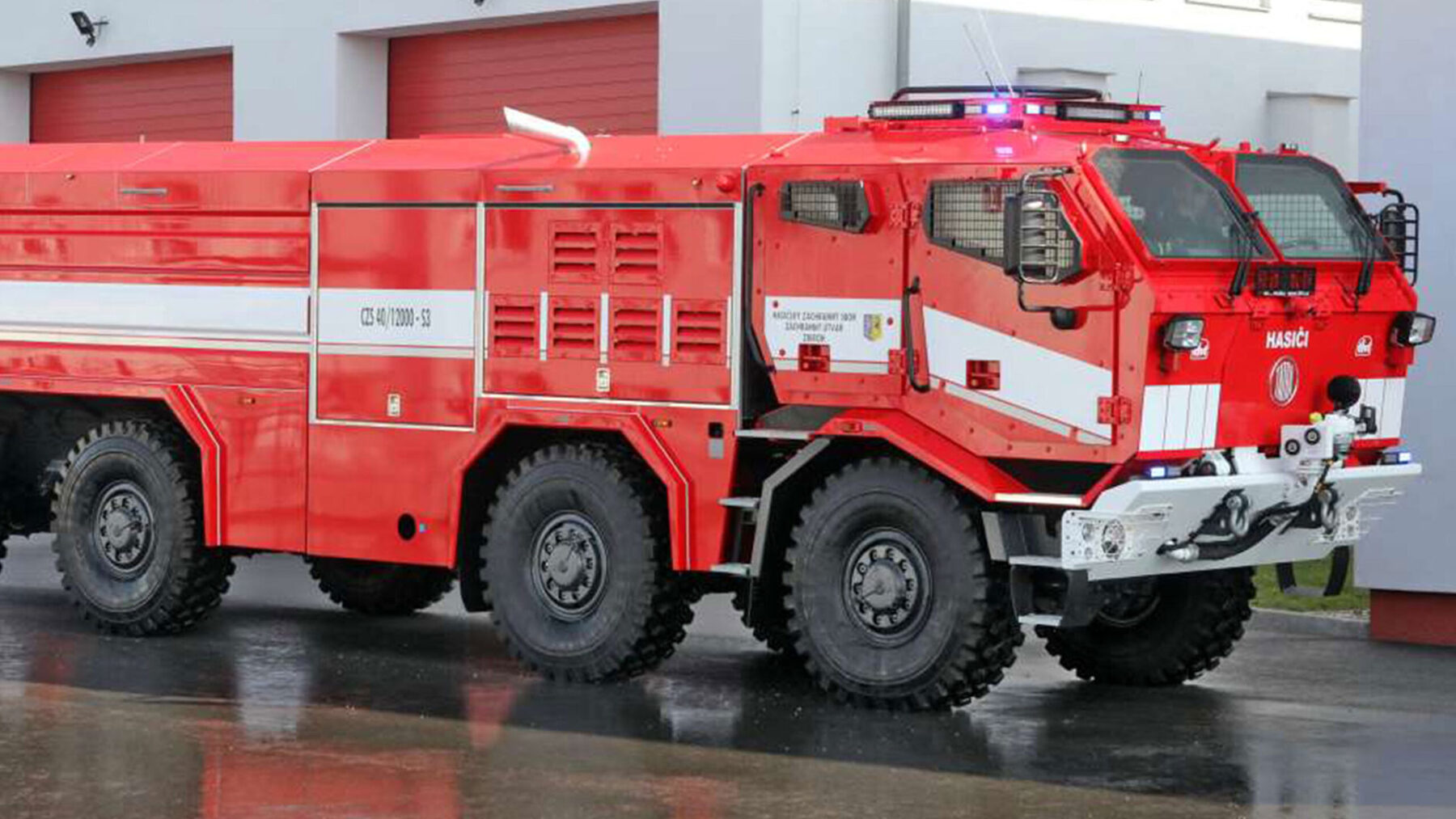
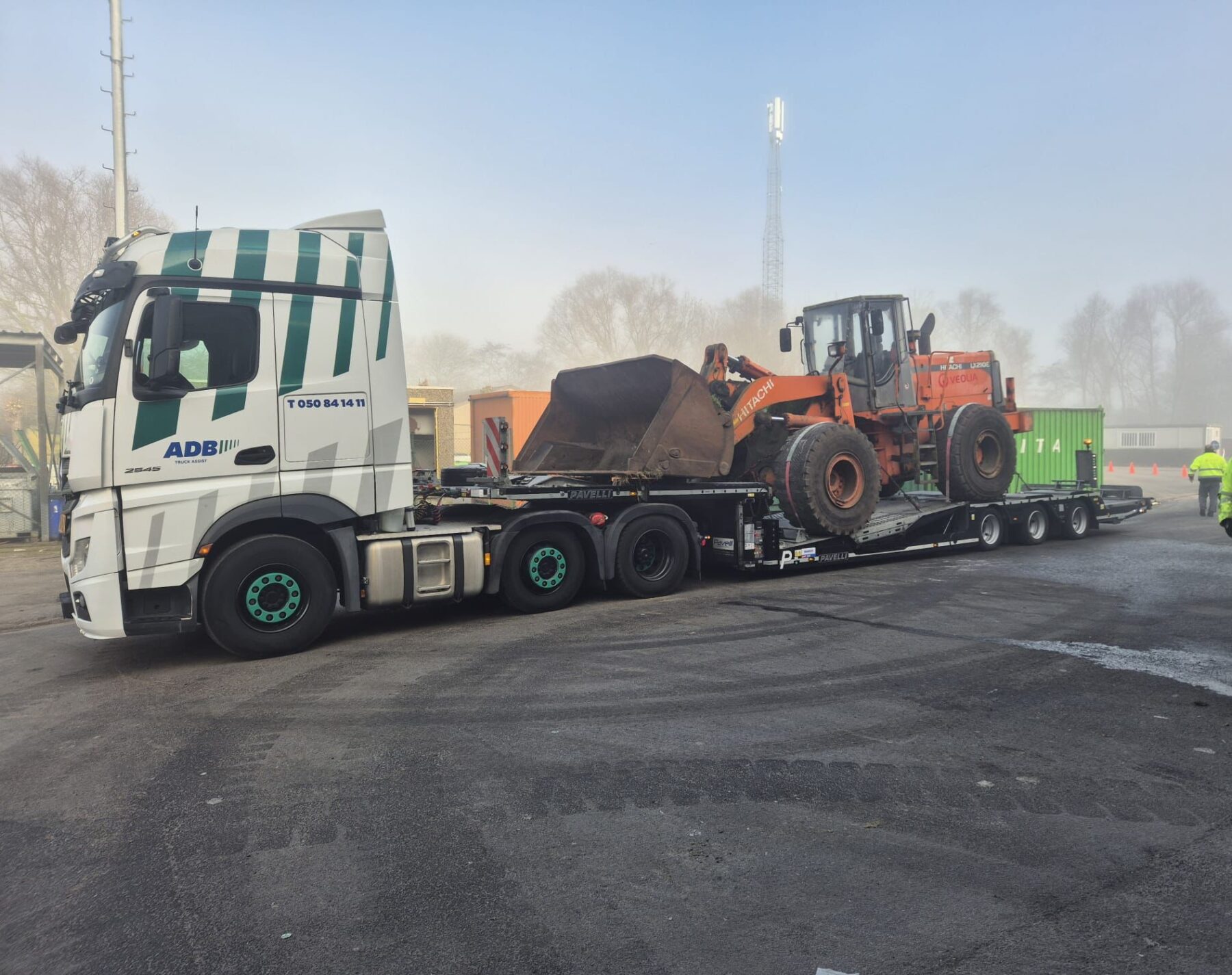
Emergency & Recovery

We provide systems that ensure safety, stability and response times in critical situations for ambulances, fire trucks and recovery vehicles.

Truck
Bus
Off-road
LCV
Hulp- en bergingsvoertuigen

Hemscheidt VSE

What is hydropneumatic suspension?
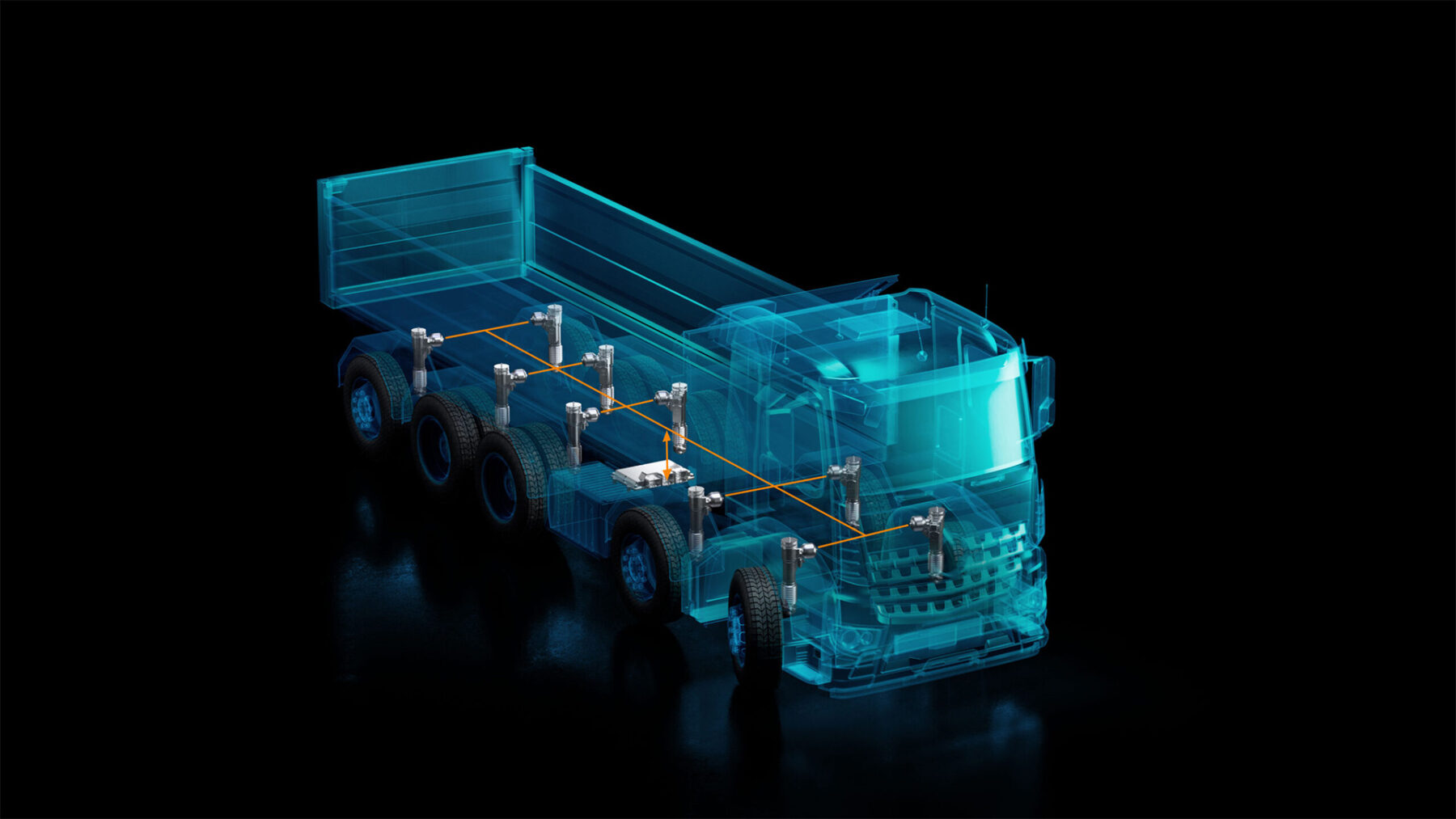
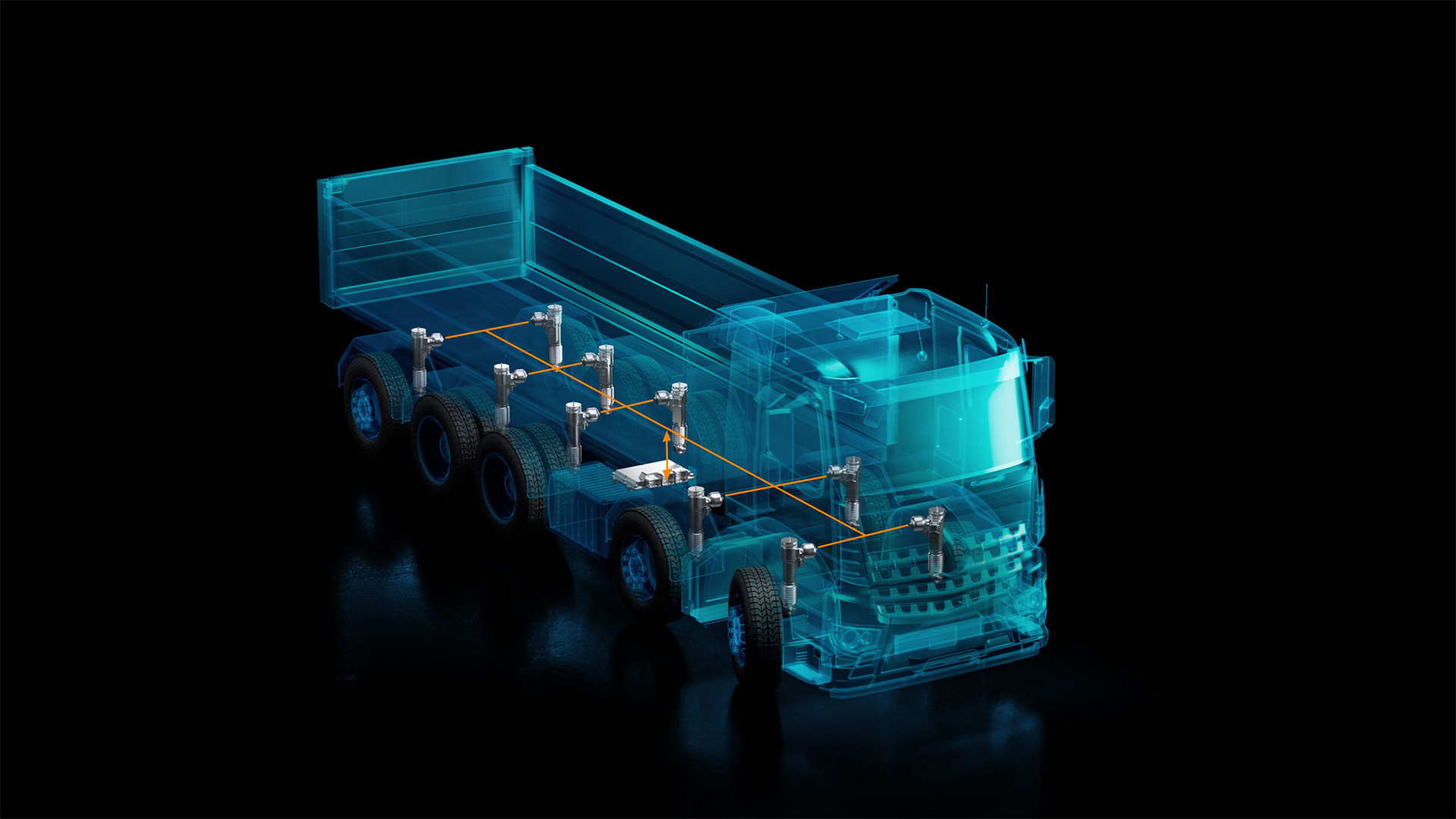
HPS Advanced Truck

Hemscheidt VSE

What is hydropneumatic suspension?

Hydropneumatic suspension uses hydraulic cylinders and gas accumulators to provide suspension and level control. This keeps the ride height automatically constant, regardless of load or operating conditions. The system is particularly suitable for vehicles that need to level frequently and for vehicle platforms where installation space is limited.

The 4 benefits of hydropneumatic suspension
Tot 3,5 keer efficiënter bij heffen en nivelleren

Up to 3.5 times more efficient when lifting and levelling

During lifting and levelling, a large proportion of the energy in air suspension is lost in the compressor chain: of the energy used, only around 19.8% reaches the lifting and lowering movement itself. Under comparable conditions, hydropneumatic suspension achieves an efficiency of around 69% at the cylinder. This amounts to an efficiency difference by a factor of approximately 3.5. This advantage is particularly relevant for vehicles that stop and level frequently, such as in urban logistics and passenger transport. Lower energy consumption per cycle contributes to greater range and higher availability.

Minder inbouwruimte nodig

Less installation space required

Hydropneumatic suspension systems operate at significantly higher system pressures than air suspension. The same load-carrying capacity is therefore delivered with more compact components, requiring less installation space around the axles. This gained space is particularly valuable in electric vehicles: it creates room for additional battery capacity, more seats or greater load volume, without the need to fundamentally change the vehicle concept.

Minder losse componenten, eenvoudiger systeem

Fewer separate components, simpler system

Hydropneumatic suspension combines multiple functions in one integrated system. As a result, fewer separate components are required and vehicle integration becomes simpler. Damping is integrated into the suspension and tuned to the application. Roll stabilisation is integrated via cross-connection, meaning additional dampers and (parts of) stabiliser components can often be eliminated. For vehicle manufacturers, this results in a clearer and easier-to-integrate platform. For fleet operators, it means fewer maintenance points and a lower risk of failures.

Lager systeemgewicht

Lower system weight

Overall, hydropneumatic suspension is lighter than a comparable air-suspension solution. The suspension cylinders themselves may be heavier, but components such as the air-suspension support and anti-roll bar are no longer required. Net result: a weight reduction of up to approximately 5%, depending on the vehicle configuration. Less weight translates directly into lower energy consumption, greater range or higher payload.

Less downtime, greater availability
Compact technology, lower fuel consumption
Proven technology with targeted customisation