Hemscheidt VSE
Why choose EMS for emergency and recovery vehicles?
Smaller turning circle at hard-to-reach locations
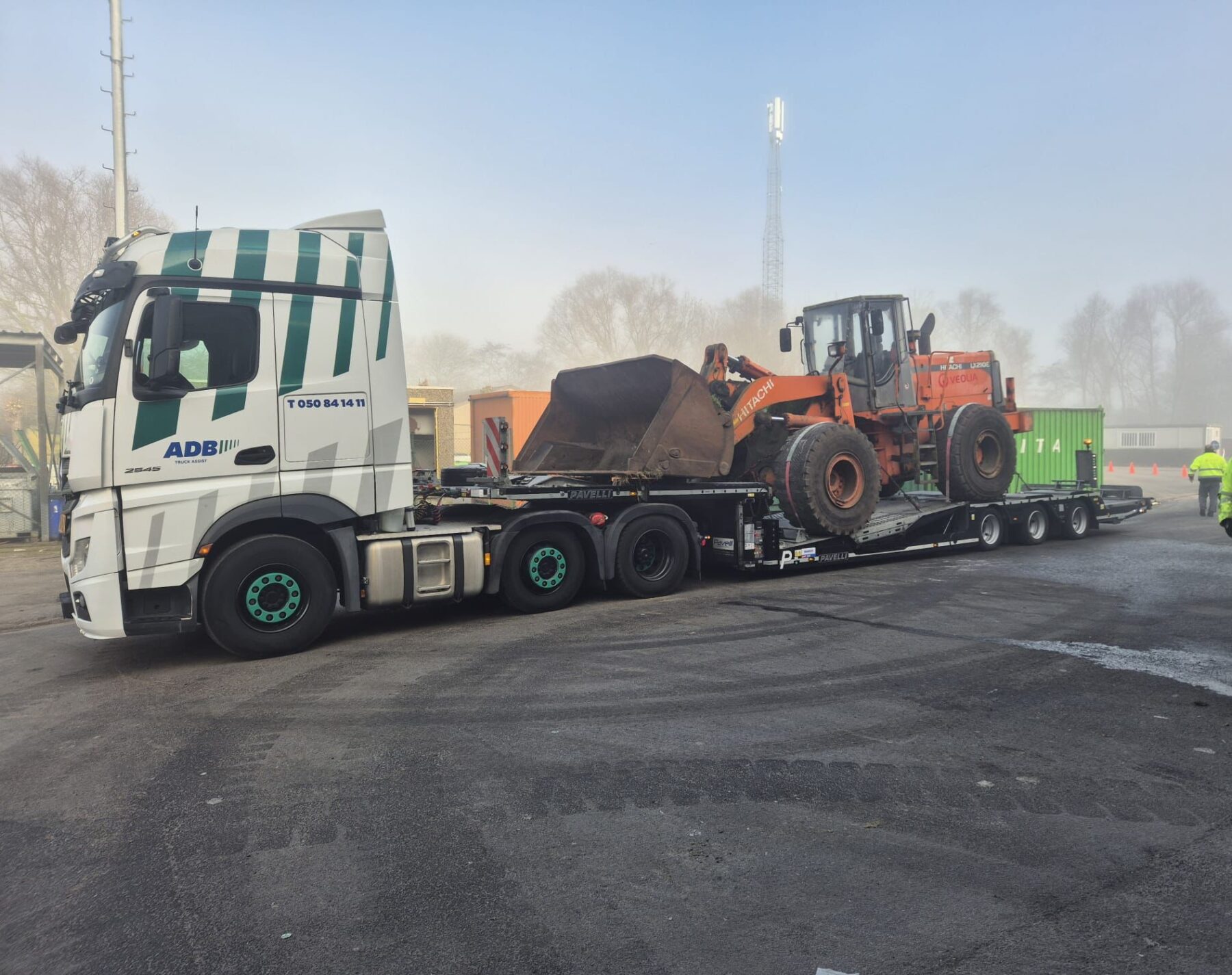
EMS actively steers the rear axle to reduce the turning circle of emergency and recovery vehicles, improving their manoeuvrability in confined spaces.
More direct actuation, more compact architecture
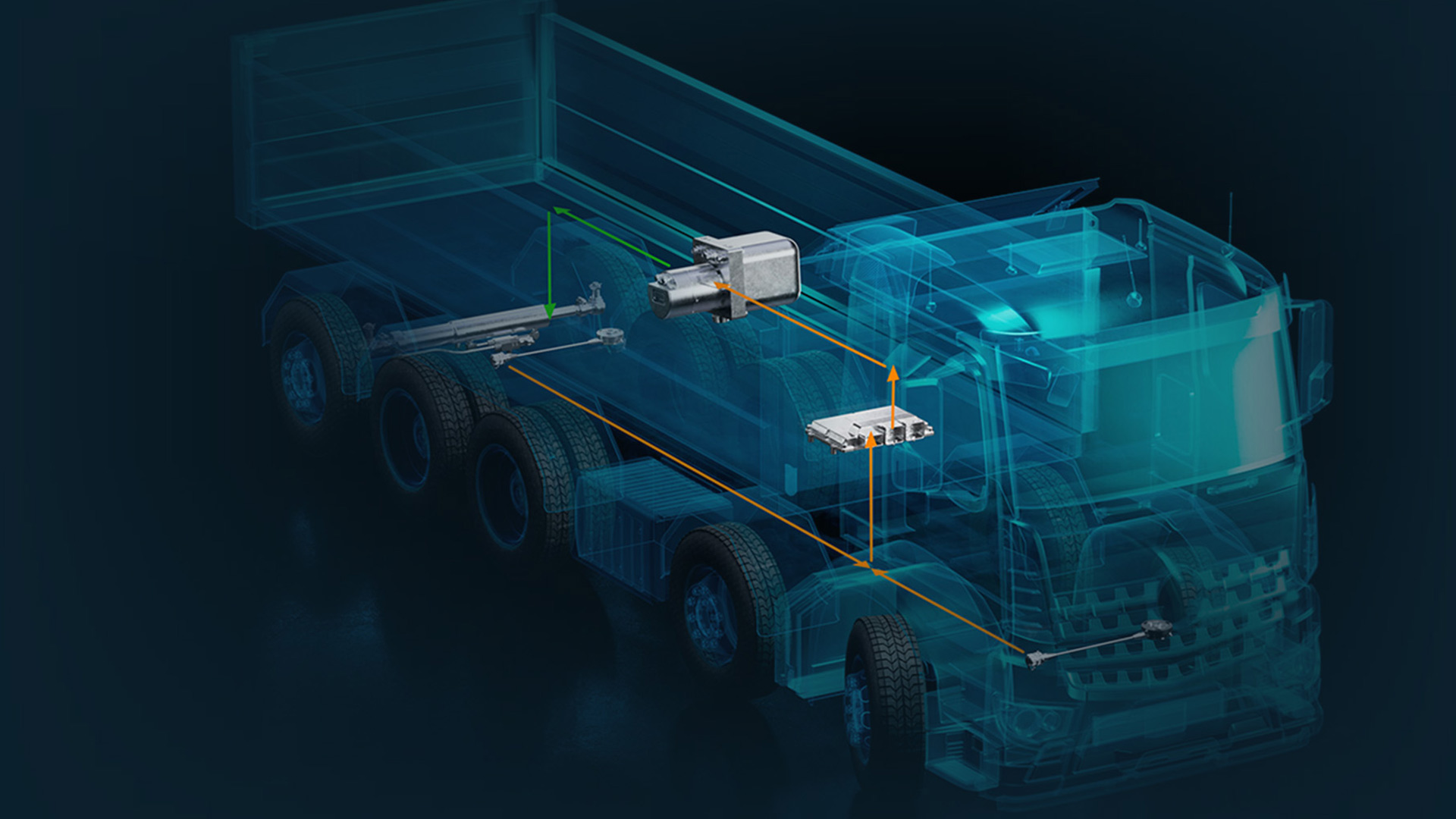
By integrating the valve block into the pump, EMS provides greater control, reduced energy loss, and a more compact system design.
Compact for electric and hybrid emergency-service platforms
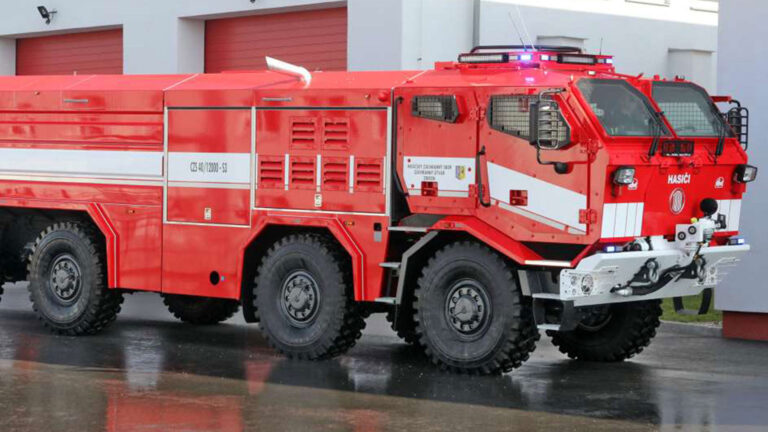
Thanks to its compact system architecture, EMS is ideal for electric and hybrid emergency service vehicles where space is at a premium.
Developed to ASIL-D level
EMS has been developed in accordance with ASIL-D to ensure predictable and safe control behaviour in safety-critical applications.
Hemscheidt VSE
Scalability and advanced vehicle functionality
Smart actuator functionality
EMS translates steering signals directly into axle movements, offering greater flexibility in terms of vehicle software and architecture.
Support for multiple steered axles
EMS supports complex auxiliary and recovery vehicle configurations with multiple steered axles via parallel systems.
Crab steering on the roadmap
Crab steering is included in the EMS roadmap, allowing it to be incorporated into the development process from an early stage.

Hemscheidt VSE
Join early as a development partner
EMS is being developed together with a limited number of vehicle manufacturers. This is a co-development programme, not a standard customer-supplier trajectory. As an early partner, you can:
- Contribute technical requirements, axle configurations and integration questions at an early stage
- Be the first to develop and offer emergency and recovery vehicles with EMS from launch onwards
- Work directly with engineers on integration and validation
- Influence future roadmap functions, such as crab steering and multi-axle configurations